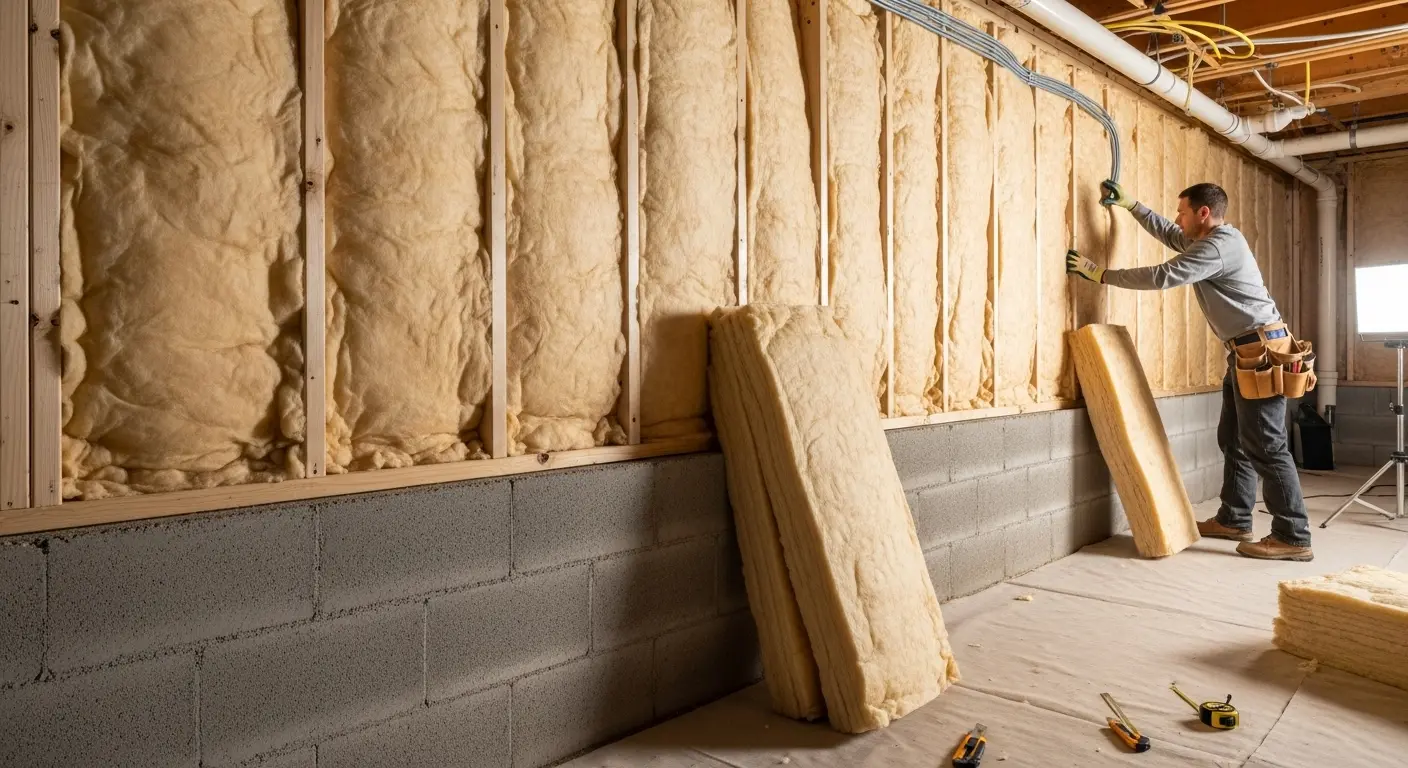
Basements play a major role in the comfort, energy efficiency, and long-term durability of a home. Whether you live in an older property with a cold basement or a newer home with moisture concerns, choosing the right insulation is one of the best ways to improve indoor comfort, reduce energy bills, and prevent common issues like mold growth or air leaks. Many homeowners today search for Basement Insulation in NYC because properties in the city often deal with cold floors, high humidity, and poor air circulation caused by the surrounding concrete structure.
Knowing which insulation material works best can make a huge difference, especially in climates where basements naturally absorb moisture from soil and outdoor temperature changes.
This guide helps you understand the most popular basement insulation materials, how they work, what problems they solve, and which one might be right for your home. You will also see high-volume, relevant terms used naturally throughout such as basement waterproofing, energy-efficient insulation, moisture-resistant insulation, foundation insulation, wall insulation, crawl space insulation, home insulation services, spray foam insulation, and thermal performance.
Understanding the Purpose of Basement Insulation
Before choosing a material, it helps to know why proper insulation matters. Many basements stay cold because concrete absorbs and transfers temperature easily. When outdoor temperatures drop, basement walls get colder and create a heat transfer effect. Warm indoor air meets cold walls, which often creates condensation. Over time this turns into mold, mildew, and damp smells.
Insulation helps prevent these problems by creating a barrier between the cold foundation walls and your indoor living space. It also supports energy efficiency by reducing heat loss from the upper levels of the home. In busy cities like New York, where heating costs climb during long winters, proper basement insulation can help homeowners save hundreds of dollars each year.
Good insulation also helps soundproof your basement. Many homeowners want to turn the space into a guest room, play area, home theater, or office. Quality insulation provides better temperature control, less noise transfer, and a more comfortable environment overall.
Read More: DIY vs Professional Spray Foam Insulation: Which One Saves You More?
Key Factors to Consider Before Choosing a Material
Choosing the right insulation material depends on several conditions in your basement. Each factor has an impact on performance, cost, lifespan, and safety.
Moisture Level
Basements naturally attract moisture because they are surrounded by soil and concrete. If your walls or floor feel damp, if there is humidity, or if you notice mildew smells, you need moisture-resistant insulation. Materials like spray foam and rigid foam board perform better in these situations compared to fiberglass.
Energy Efficiency Needs
Some insulation materials have higher R-values, which measure thermal resistance. A higher R-value means better heat retention. Homes in colder regions or those with concrete walls directly exposed to freezing temperatures need insulation with a strong R-value for better thermal performance.
Wall Structure and Access
If your basement walls are finished, you need insulation that works well behind drywall or can be injected into small openings. If your walls are unfinished, you have more options such as foam boards or spray foam.
Budget
Different insulation materials vary in cost. Fiberglass is usually cheaper but may not be the best long-term investment in damp basements. Spray foam is more expensive upfront but offers better performance, moisture protection, and lifespan.
Future Plans for the Basement
If you plan to renovate the basement into a living space, choosing high-quality insulation ensures long-term comfort. If you only use the basement for storage, you may prefer a moderate option.
Understanding these factors helps guide your choice toward the insulation material that fits your home’s structure and long-term needs.
Most Popular Insulation Materials for Basements
There are several insulation materials available, and each one has strengths and limitations. The following section explores the most commonly used materials in modern homes, especially for Basement Insulation in NYC where moisture control and energy efficiency are major priorities.
Fiberglass Insulation
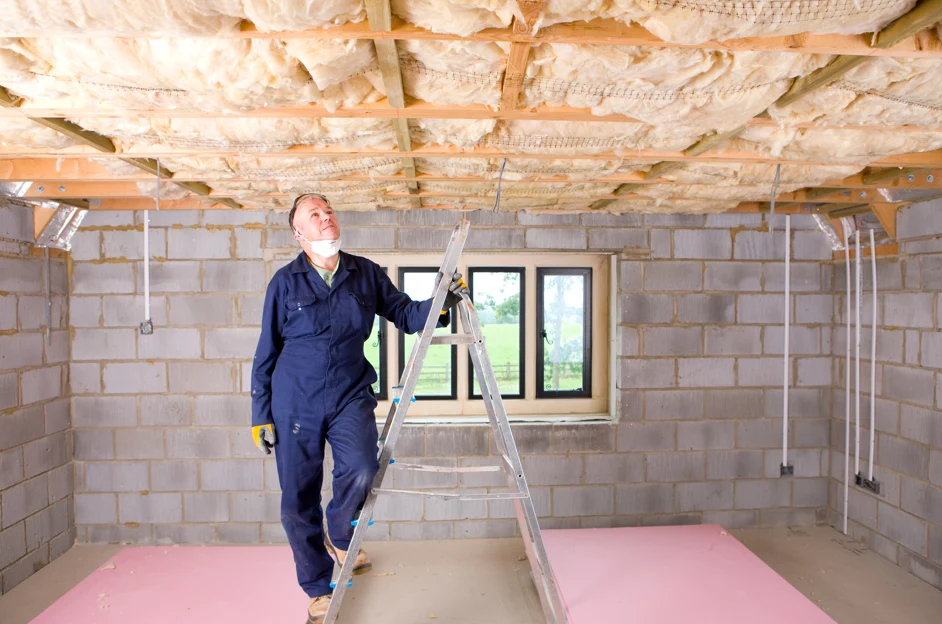
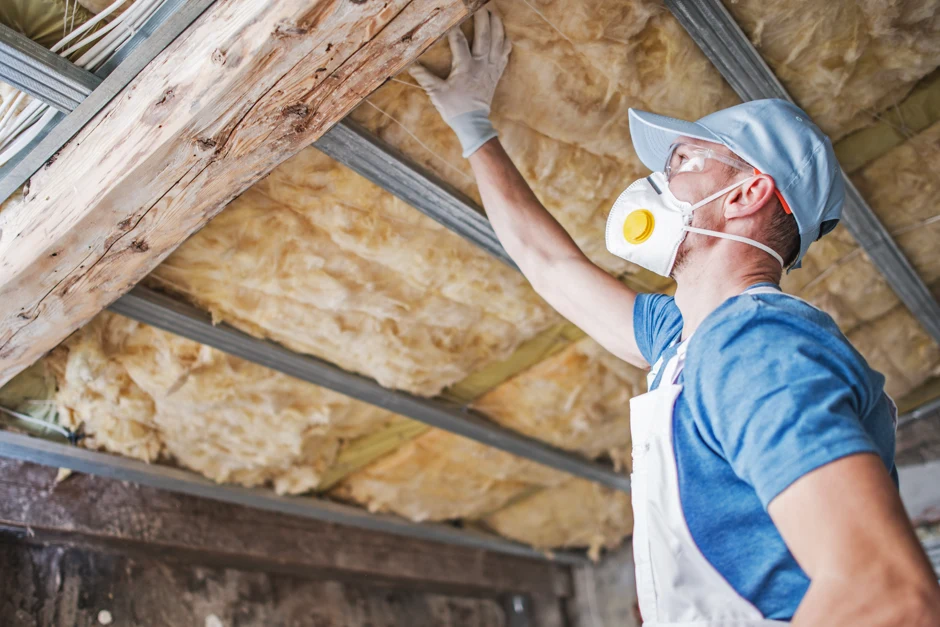
Fiberglass is one of the most common insulation materials used in homes. It comes in batts or rolls and is often installed between wooden studs along basement walls. Fiberglass is affordable and easy to install, making it a popular option for homeowners who want a quick solution.
While fiberglass works well in many areas of the home, it has certain limitations in basements. It absorbs moisture easily, which can lead to mold growth. When fiberglass insulation gets wet, it loses its insulating power and often needs to be replaced. This means that unless your basement is fully dry and has no moisture concerns, fiberglass may not be the best long-term choice.
Fiberglass also does not create an air seal. This means cold air can still pass through gaps, reducing the overall thermal performance. For homeowners dealing with drafty basements or high humidity, fiberglass may require additional steps such as vapor barriers or wall sealing.
However, fiberglass remains a reasonable option if you have a dry basement and want a simple, lower-cost solution. It is suitable for finished walls, provided you take extra precautions against moisture.
Rigid Foam Board Insulation
Rigid foam board is one of the most effective and reliable insulation materials for basements. It comes in large panels made from polystyrene or polyisocyanurate. These foam boards offer high R-value, resist moisture, and help cover the cold concrete foundation walls without absorbing dampness.
Rigid foam boards also help insulate thermal bridges areas where heat transfers easily, such as around corners or window frames. When installed correctly, foam boards create a strong thermal barrier that significantly improves comfort.
One of the biggest advantages of foam board is its moisture resistance. Unlike fiberglass, it does not absorb water or support mold growth. For properties in humid regions or older homes where dampness is common, foam board insulation is a smart choice.
Another benefit is its durability. Once installed, foam boards can last for decades without losing performance. They also support soundproofing and help with air sealing when combined with spray foam along the edges.
The main downside is that foam boards require proper installation and may need professional help to ensure a tight seal. However, the long-term benefits often outweigh the installation cost, especially in colder climates.
Spray Foam Insulation
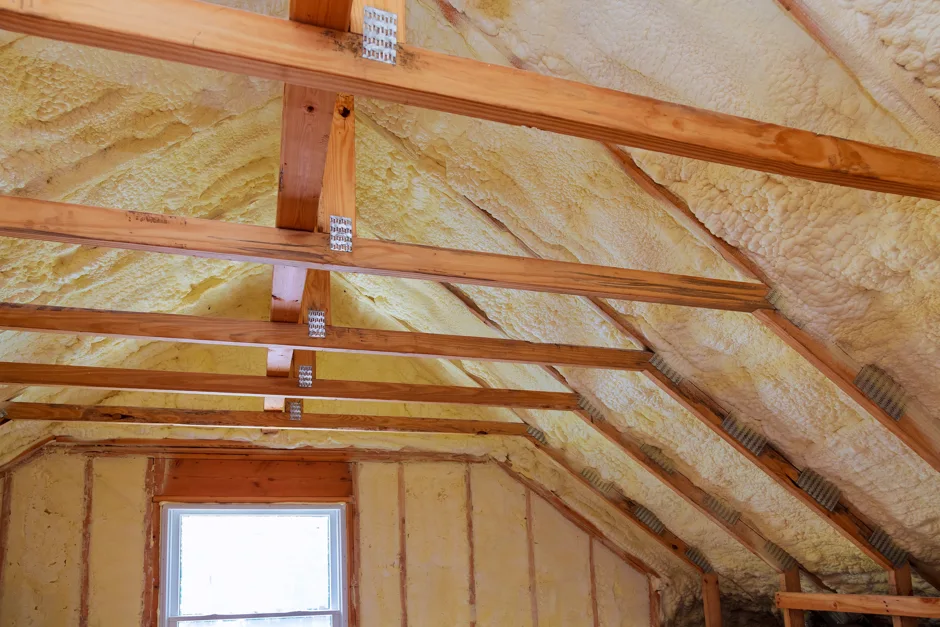
Spray foam is widely considered the top choice for Basement Insulation in NYC because of its superior performance, moisture resistance, and ability to fill even the smallest cracks. It expands to form an airtight barrier, preventing air leaks, drafts, and condensation.
There are two main types of spray foam insulation: open-cell and closed-cell. For basements, closed-cell spray foam is typically recommended because it offers higher density, better moisture resistance, and a stronger R-value.
Closed-cell spray foam not only insulates but also acts as a vapor barrier, preventing moisture from entering the basement. This makes it ideal for walls that frequently feel cold or damp. It also strengthens the wall structure because of its rigid form when it hardens.
Spray foam insulation is more expensive compared to other materials, but homeowners often see greater energy savings, reduced moisture issues, and long-lasting performance. If you plan to finish your basement or turn it into a livable space, spray foam is one of the best long-term solutions.
Homeowners also like spray foam for its noise-reduction qualities. For basements used as entertainment rooms or home offices, this insulation material helps create a quieter and more comfortable environment.
Mineral Wool Insulation
Mineral wool also known as rock wool is another option that works well in certain basement settings. It offers excellent fire resistance and provides higher soundproofing compared to fiberglass.
Mineral wool does not absorb water as easily as fiberglass, making it somewhat more durable in moist environments. However, it still requires a vapor barrier in damp basements to prevent long-term issues.
One advantage is its high R-value and resistance to pests. Rodents and insects are less likely to nest in mineral wool compared to fiberglass. It also resists extreme temperatures, keeping your basement warmer in the winter and cooler in the summer.
Mineral wool is often used when homeowners want an eco-friendly insulation choice because it is made from recycled materials. For basements needing improved fire safety or sound control, it can be a good choice. However, it still does not perform as well as foam boards or spray foam in terms of moisture resistance.
Blown-In Cellulose Insulation
Cellulose insulation is made from recycled paper products treated for fire resistance. It is often used in attic spaces but can also be applied in certain basement walls, especially if you want to fill cavities behind finished walls.
However, cellulose is not recommended for basements with moisture concerns because it absorbs water easily. When cellulose gets wet, it becomes heavy and loses most of its insulating ability. For this reason, many professionals avoid using cellulose in basements unless the structure is completely dry and protected by a strong vapor barrier system.
Its main advantage is that it fills small gaps well and is affordable. However, for most basements, other insulation materials provide better performance and moisture protection.
Which Material Performs Best in Most Basements?
Every home is different, but for most basements especially those in areas with cold winters, humidity, and concrete structures, the top-performing materials tend to be rigid foam board and closed-cell spray foam.
These two materials stand out because they fight moisture, improve thermal performance, reduce drafts, and provide long-term value. Spray foam offers the strongest air seal, while foam board delivers high performance at a slightly lower cost.
Fiberglass and cellulose are more budget-friendly but usually not ideal for damp or unfinished basements. Mineral wool works well in certain situations, especially when soundproofing or fire safety is a main priority.
If your goal is to increase energy efficiency, prevent mold, reduce humidity, and make your basement more comfortable year-round, rigid foam board or spray foam insulation typically delivers the best results.
Also Read: Is Spray Foam Insulation Hazardous for NYC Homes?
Signs Your Basement Needs Better Insulation
Before choosing a material, it helps to understand whether your current insulation is failing or if your basement needs an upgrade. Some of the most common signs include:
- Cold floors in winter
- Damp walls or moisture marks
- High humidity levels
- Musty or earthy smells
- Mold growing along walls or corners
- Drafts or uneven temperatures
- High energy bills
- Noise traveling easily through floors
If you notice any of these problems, proper basement insulation can help restore comfort, protect your home, and improve indoor air quality.
The Smart Way to Choose the Right Insulation Material
Choosing the best insulation material for your basement depends on your long-term goals. If you want a basement that stays warm, dry, and usable, foam insulation materials often offer the strongest performance. If you want a budget option and the basement stays dry, fiberglass may work. If you need fire resistance or better sound control, mineral wool can help.
Homeowners in NYC and other cold, humid climates usually get the best results from closed-cell spray foam or rigid foam boards because those materials handle moisture better than anything else and keep the basement stable and comfortable year-round.
If you ever plan to turn your basement into a living space whether a bedroom, home office, gym, or entertainment area, choosing high-performance insulation is worth the investment.
To wrap everything together, if you want Basement Insulation in NYC that controls moisture, saves energy, and supports healthy indoor air, the best choice depends on your basement’s specific conditions, but the most reliable materials often include rigid foam board and closed-cell spray foam. For homeowners who want professional installation and long-lasting performance, Foam Masters USA offers basement insulation solutions designed to improve comfort and efficiency while protecting the home for years.