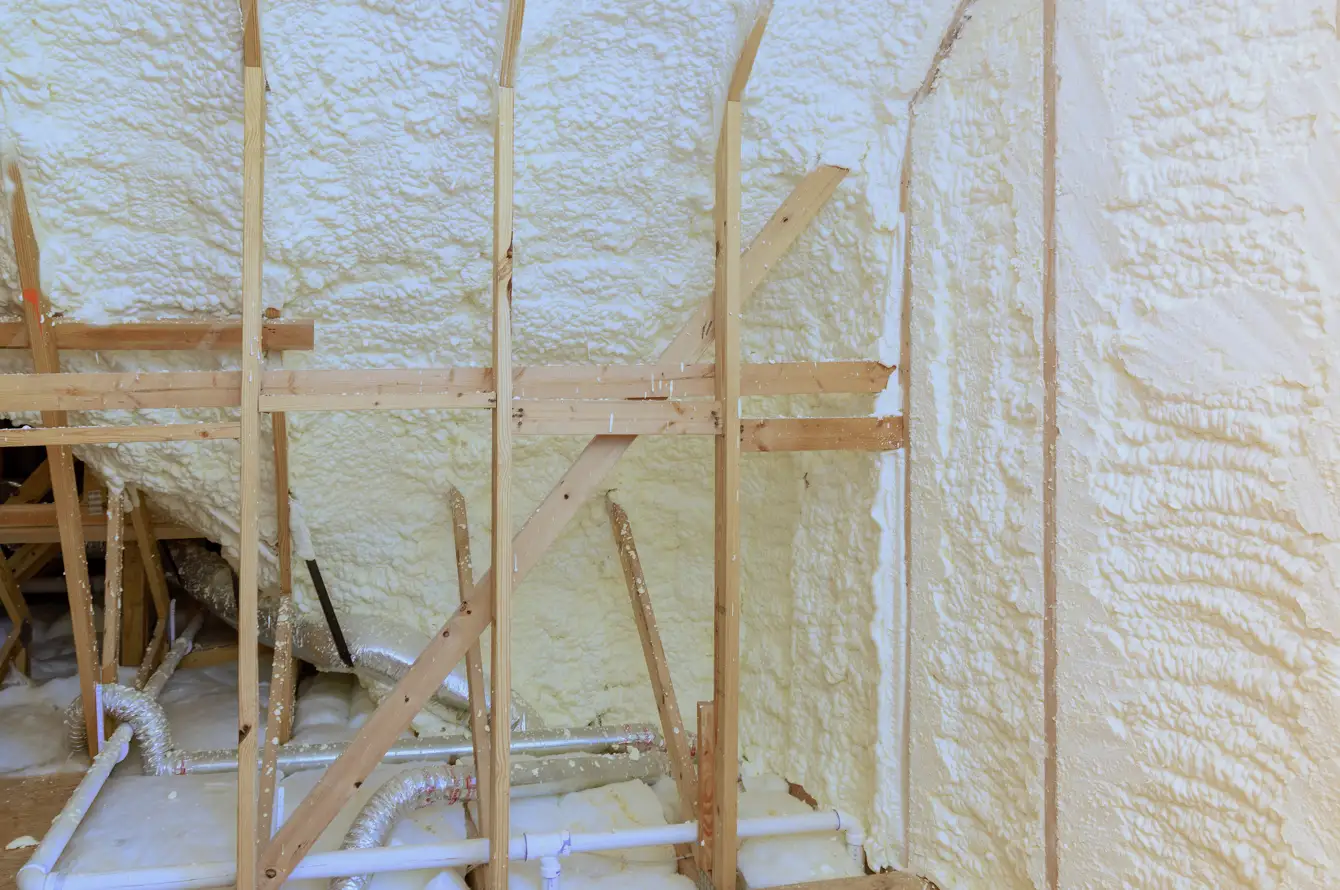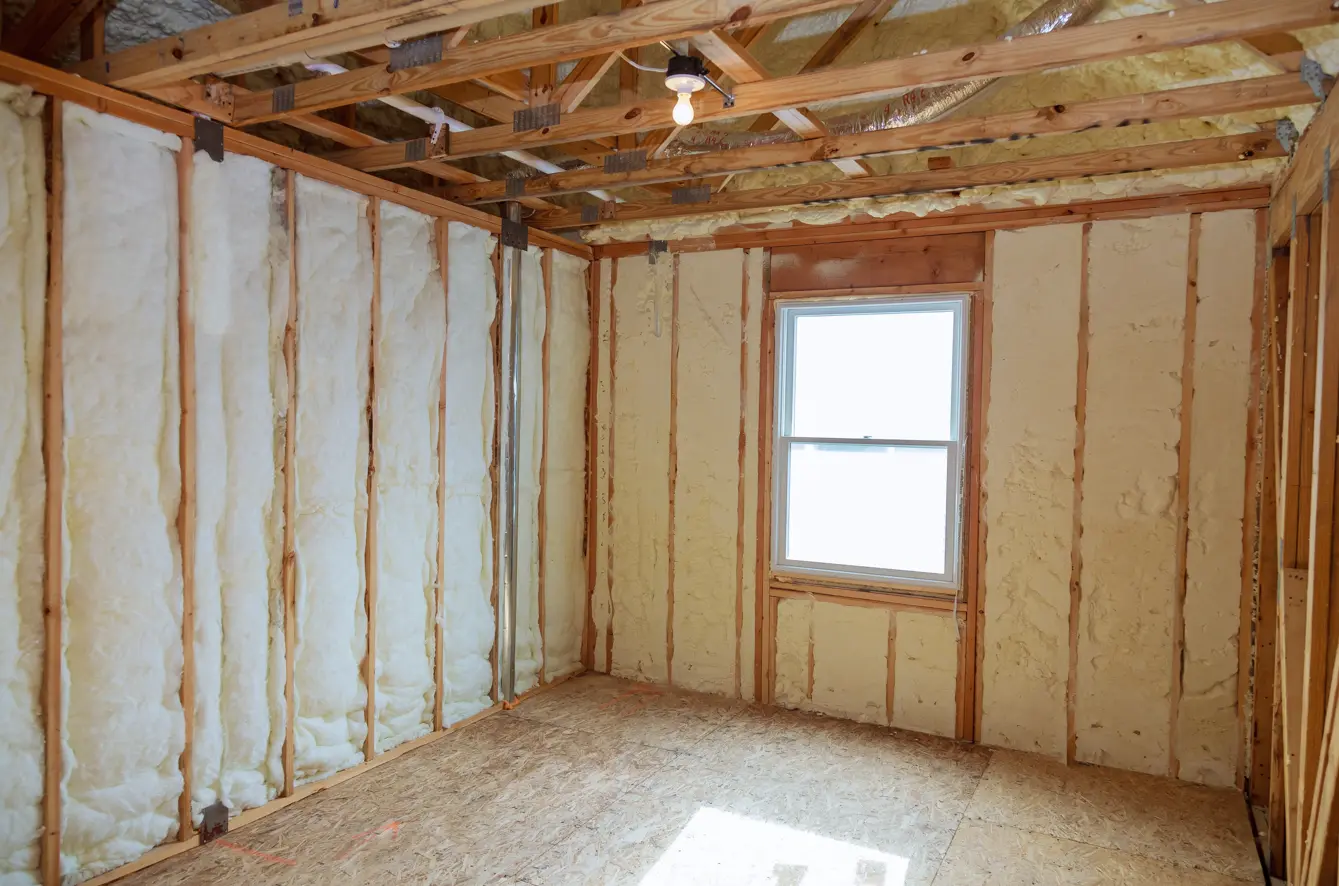
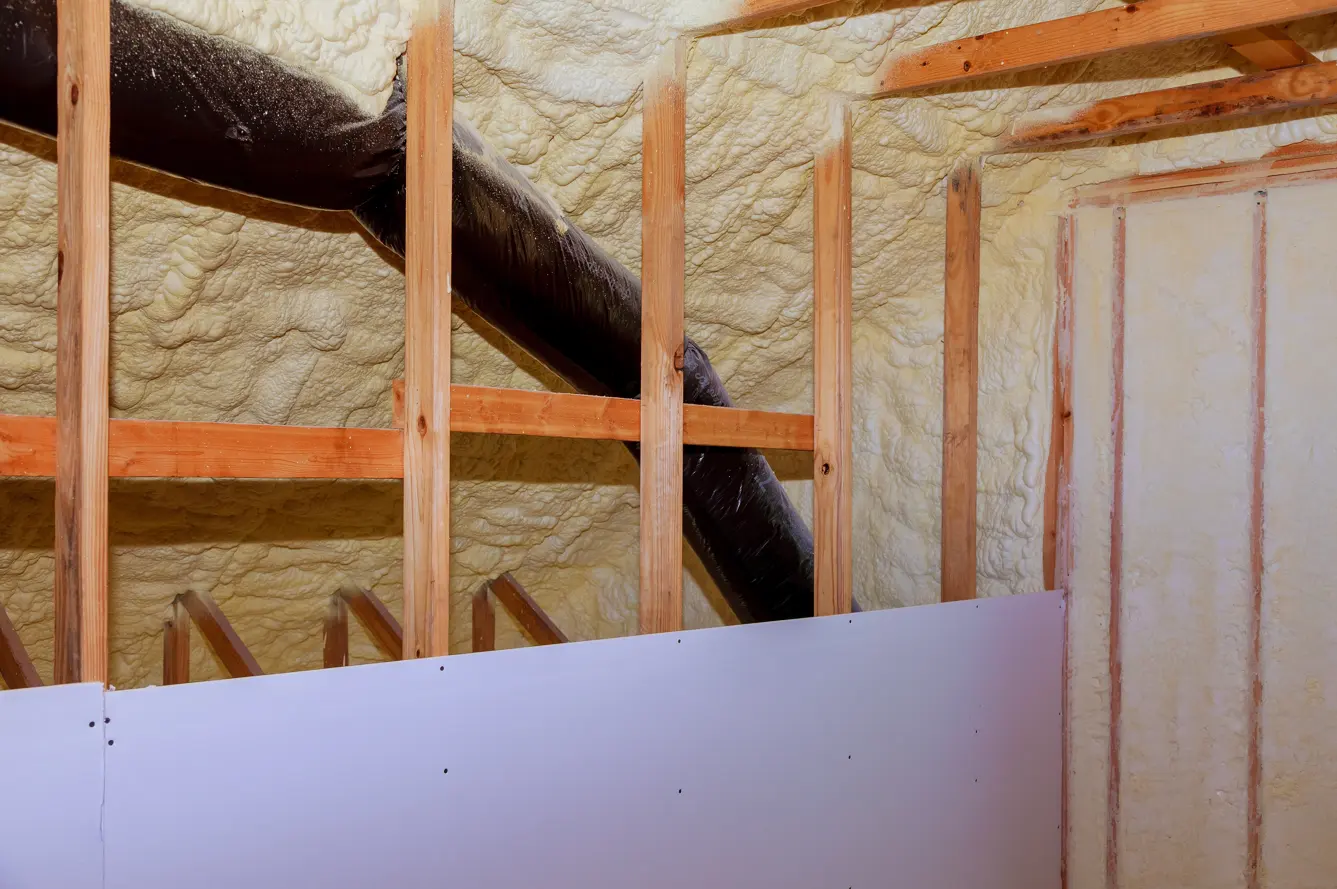
When homeowners invest in spray foam insulation, one of the first questions that comes to mind is simple: How long will it last? Unlike traditional insulation materials that sag, shift, or deteriorate over time, spray foam is often marketed as a long-term solution. But longevity doesn’t happen by accident. The lifespan of spray foam depends on several practical factors, including installation quality, environmental conditions, building structure, and even how the home is maintained.
Let’s discuss the lifespan of spray foam insulation in detail.
Average Lifespan of Spray Foam Insulation
Spray foam insulation is designed to last 20 to 30 years, and in many cases, it can last the entire lifetime of a building. When properly installed and left undisturbed, spray foam does not settle, compress, or lose its insulating ability the way fiberglass or cellulose often does.
Closed-cell spray foam typically lasts longer than open-cell foam due to its higher density and resistance to moisture. However, both types can perform exceptionally well over time if applied correctly and used in suitable environments.
Open-Cell vs. Closed-Cell: Does Type Matter?
Yes, the type of spray foam insulation plays a major role in durability.
Open-cell spray foam is softer and more flexible. It works well for interior walls and soundproofing, but is more sensitive to moisture. Its lifespan is still long, but it relies heavily on a dry environment.
Closed-cell spray foam, on the other hand, is rigid and dense. It acts as both insulation and a moisture barrier. Because of its strength and resistance to water, it generally outlasts open-cell foam, especially in basements, crawl spaces, and exterior walls.
Choosing the right type for the right area of the home directly impacts how long the insulation will remain effective.
Installation Quality: The Biggest Lifespan Factor
Even the best insulation material can fail if it’s poorly installed. Spray foam insulation requires precision, experience, and proper equipment. Incorrect mixing, uneven application, or spraying on unprepared surfaces can cause problems such as shrinking, cracking, or pulling away from framing.
Professional installation ensures:
- Proper foam expansion
- Strong adhesion to surfaces
- Correct thickness for thermal performance
- Long-term structural stability
A well-installed system can last decades, while a poorly installed one may need repairs within a few years.
Also read: Is Spray Foam Insulation Worth It for NYC Homes?
Environmental Conditions Inside the Building
The internal environment of a home or commercial building directly affects the lifespan of spray foam insulation.
Temperature fluctuations, especially extreme heat, can slowly degrade foam over time if the material is exposed. High humidity can also impact open-cell foam if moisture management is poor.
Spray foam performs best when:
- It is sealed behind drywall or roofing materials
- The building has proper ventilation
- Moisture sources are controlled
When these conditions are met, degradation is minimal, and performance remains consistent year after year.
Exposure to Moisture and Water Intrusion
Moisture is one of the few real threats to insulation longevity. Closed-cell spray foam is highly resistant to water and does not absorb moisture easily, making it ideal for flood-prone or damp areas.
Open-cell foam, however, can absorb water if leaks go unnoticed. While it can dry out and still function, repeated or prolonged exposure may reduce its lifespan.
Preventing roof leaks, plumbing issues, and foundation moisture plays a critical role in preserving insulation integrity.
Structural Movement and Building Settling
All buildings move slightly over time. Foundations settle, framing shifts, and materials expand and contract with temperature changes. One advantage of spray foam insulation is its ability to move with the structure rather than against it.
Open-cell foam is particularly flexible and adapts well to minor structural movement. Closed-cell foam adds rigidity and can even strengthen walls. However, major structural issues, such as foundation failure, can damage insulation regardless of type.
A healthy building structure equals longer insulation life.
UV Exposure and Direct Sunlight
Spray foam insulation is not designed to be exposed to sunlight. UV rays can degrade foam quickly if it’s left uncovered. This is most commonly an issue with exterior applications, such as roof decks or crawl space openings.
To prevent UV damage:
- Foam should be covered with drywall, roofing material, or protective coatings
- Exterior foam must include UV-resistant barriers
When properly protected, UV exposure is not a concern, and the insulation can last as intended.
Pest Resistance and Physical Damage
Unlike traditional insulation, spray foam does not provide nesting material for rodents or insects. This significantly reduces damage caused by pests. However, foam can still be physically damaged by renovations, drilling, or improper repairs.
Accidental cutting or removal during electrical or plumbing work can create gaps that reduce efficiency. While these areas can be repaired, repeated disturbances can shorten the effective lifespan of the insulation system.
Maintenance Requirements Over Time
One of the biggest advantages of spray foam insulation is that it requires very little maintenance. There’s no need for replacement, refilling, or re-leveling like other insulation types.
However, periodic inspections are still recommended, especially after:
- Roof replacements
- Major renovations
- Water damage incidents
- HVAC upgrades
Catching small issues early helps preserve the insulation’s long-term performance.
Signs That Spray Foam May Need Attention
Although spray foam insulation lasts a long time, certain warning signs shouldn’t be ignored:
- Visible cracks or separation from framing
- Unexplained energy bill increases
- Drafts in previously sealed areas
- Moisture buildup or condensation
These issues don’t always mean full replacement is needed; often, targeted repairs are enough to restore performance.
Install Spray Foam Insulation With Foam Masters USA
Install spray foam insulation with Foam Masters USA and experience comfort that lasts for years. Our expert team specializes in flawless installation that seals air leaks, improves energy efficiency, and enhances indoor comfort in homes and commercial properties.
We use high-quality spray foam insulation designed to resist moisture, reduce energy loss, and strengthen your building envelope. From attics and crawl spaces to walls and commercial spaces, every project is handled with care and industry-proven techniques.
Call us today and book an appointment.