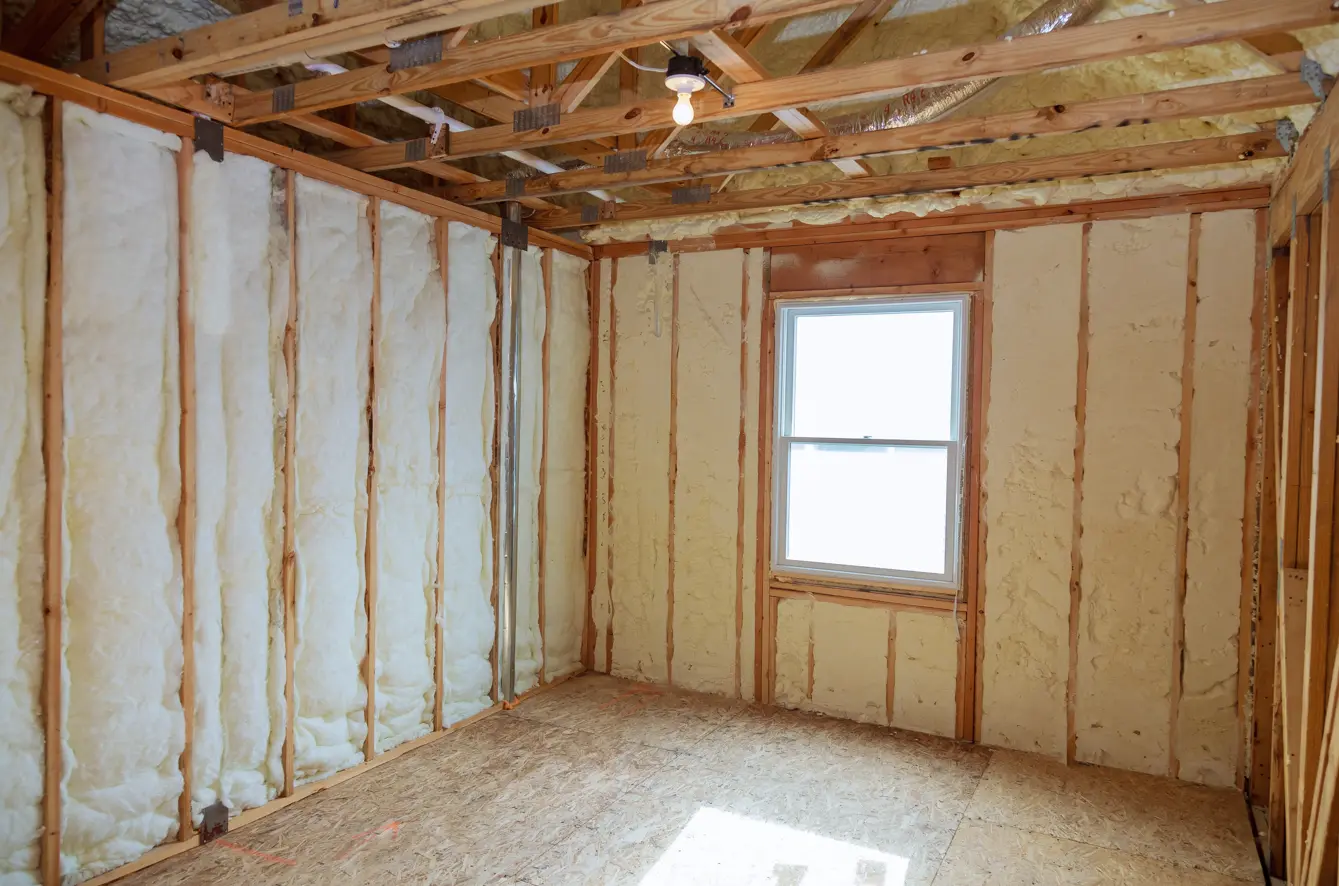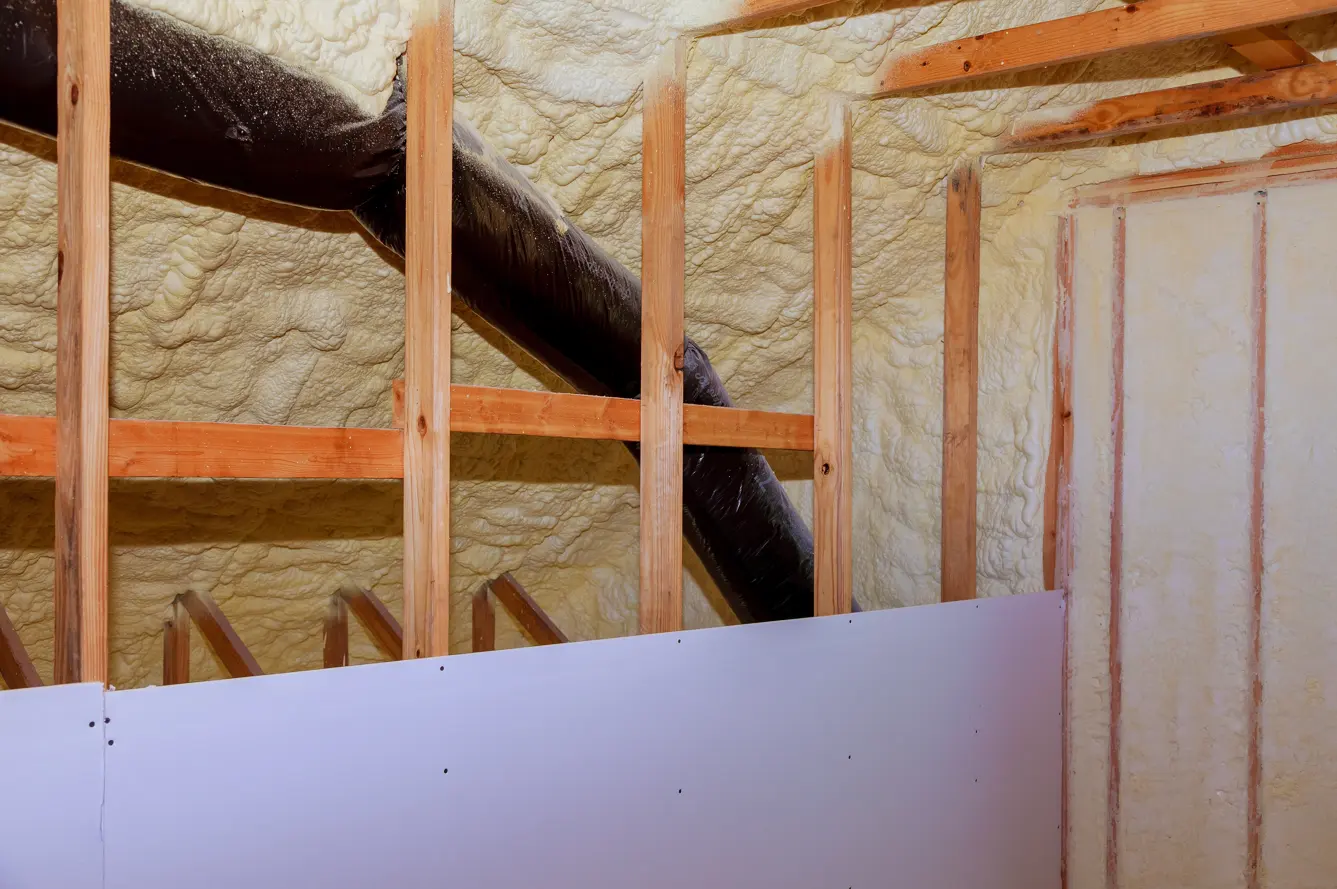
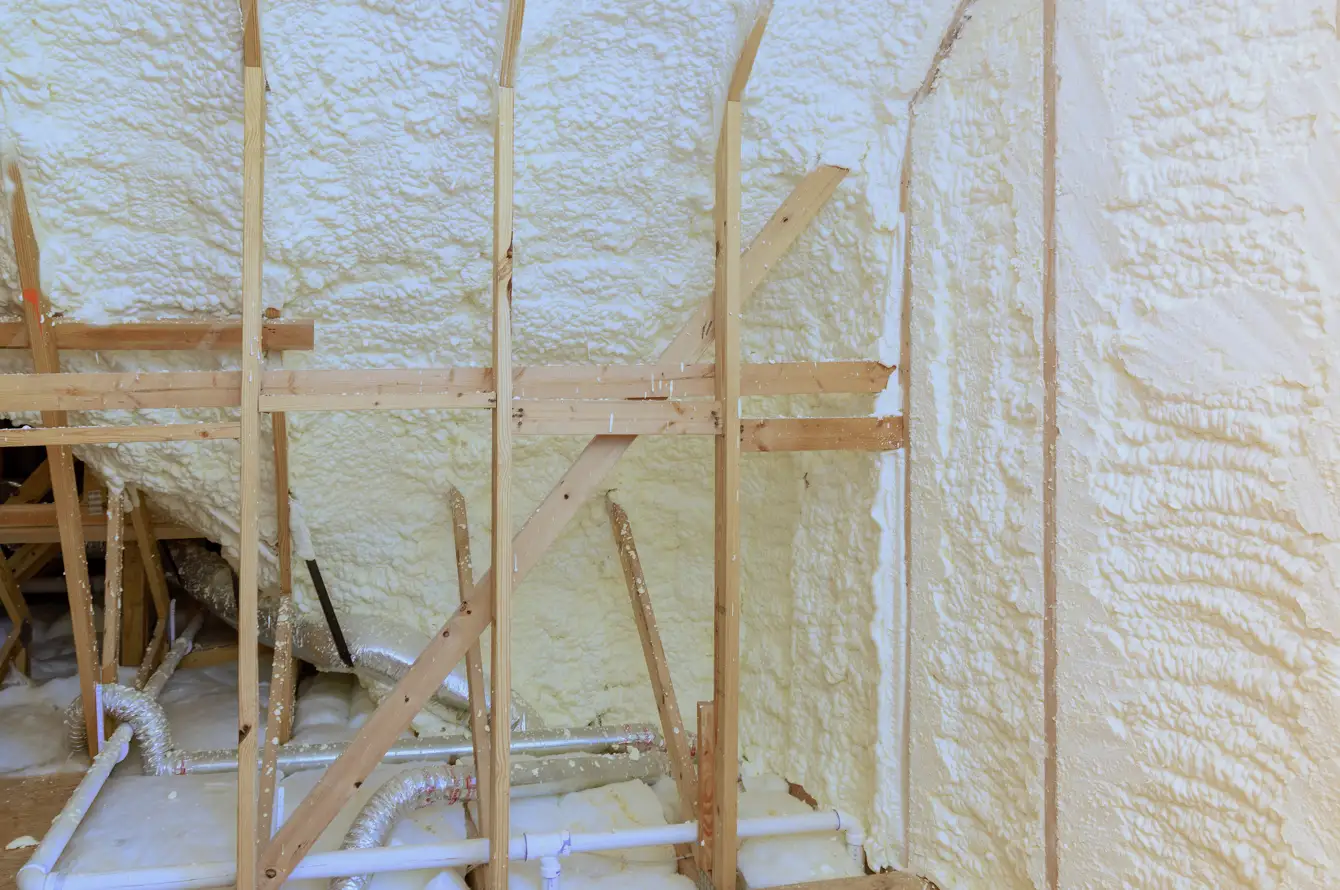
Homes in NYC face extreme seasonal pressure. In this scenario, summer pushes heat and humidity into every crack. Winters drive cold air through walls, attics, and basements. Many older and even mid-aged homes struggle to maintain indoor comfort because their insulation no longer performs. Spray foam insulation in NYC solves many of these issues, but first, you need to recognize the warning signs.
Here are a few signs that show when your existing home needs spray foam insulation.
High Energy Bills With No Clear Reason
Your utility bills tell a clear story. When heating and cooling costs rise each year without a change in usage, insulation is usually the cause. Poor insulation lets conditioned air escape and forces HVAC systems to work harder. NYC homes with outdated fiberglass or cellulose often leak air through walls, attics, rim joists, and crawl spaces. Spray foam seals those gaps and immediately reduces energy loss.
Uneven Temperatures From Room to Room
Comfort should feel consistent across your home. If one room stays cold while another overheats, insulation failure likely drives the imbalance. Air leaks allow outdoor air to enter specific zones. Upper floors often feel hotter in summer and colder in winter because warm air escapes through the attic. Spray foam creates a continuous air barrier that stabilizes temperatures throughout the entire building.
Drafts Even When Windows Stay Closed
Drafts signal uncontrolled airflow. You may feel cold air near baseboards, outlets, ceilings, or staircases. These drafts do not come from windows alone. Wall cavities and attic penetrations often allow air movement. Traditional insulation slows heat transfer but does not stop airflow. Spray foam expands on contact and blocks drafts at their source.
Ice Dams on the Roof During Winter
Ice dams cause serious damage in NYC winters. They form when warm air escapes into the attic and melts the roof snow. The melted water refreezes at the roof edge, trapping moisture under the shingles. Poor attic insulation and air sealing create this issue. Spray foam prevents warm air from reaching the roof deck and protects your home from water damage.
Read this: Is Spray Foam Insulation Worth It for NYC Homes?
Excessive Noise From Outside or Between Rooms
City life brings constant noise. Traffic, construction, sirens, and neighbors create daily stress. Thin or deteriorated insulation allows sound to travel easily through walls and ceilings. Spray foam absorbs sound vibrations and reduces noise transfer. Many homeowners notice a quieter home within days of installation.
Moisture Problems and Mold Growth
Moisture destroys building materials and harms indoor air quality. Condensation on walls, damp basements, or mold spots signal insulation failure. Humid air enters through gaps and meets cooler surfaces inside the home. Spray foam acts as both insulation and vapor control. It limits moisture intrusion and reduces mold risk when installed correctly.
Allergy Symptoms That Worsen Indoors
Indoor air should feel clean and stable. If allergy symptoms worsen inside your home, outside pollutants likely enter through air leaks. Dust, pollen, and exhaust particles travel through unsealed gaps in walls and attics. Spray foam blocks these pathways and improves indoor air quality, especially in dense NYC neighborhoods.
Old or Compressed Insulation Materials
Many NYC homes still rely on insulation installed decades ago. Fiberglass batts sag, compress, or tear over time. Cellulose settles and leaves gaps at the top of wall cavities. These materials lose effectiveness as they age. Spray foam does not sag or settle. It maintains performance for decades and upgrades older homes significantly.
Hot Walls and Cold Floors
Touch your walls and floors during extreme weather. Warm walls in summer or cold floors in winter indicate thermal transfer through poorly insulated surfaces. Exterior walls and floors above unconditioned spaces need strong insulation. Spray foam insulates and air seals at the same time, which reduces surface temperature swings.
HVAC System Runs Constantly
Your heating or cooling system should cycle on and off. When it runs nonstop, insulation failure often causes the issue. Leaky homes cannot hold conditioned air. HVAC systems then struggle to reach target temperatures. Spray foam reduces air leakage and allows systems to operate efficiently. Many homeowners notice shorter run times after installation.
Strong Odors From Outside or Other Units
Urban homes often sit close together. Odors from traffic, restaurants, or neighboring apartments can seep inside through gaps. These smells signal air leakage. Spray foam seals shared walls, ceilings, and utility penetrations. It helps maintain a cleaner and more controlled indoor environment.
Cold Basement and Uncomfortable First Floor
Basements in NYC often stay cold and damp. Uninsulated rim joists and foundation walls allow cold air infiltration. That cold air then rises and affects the first floor. Spray foam works especially well in basements because it adheres to masonry and irregular surfaces. It creates a tight seal that improves comfort above.
Pest Problems Inside Walls or Attics
Rodents and insects exploit gaps in building envelopes. They enter through cracks around pipes, vents, and framing. Traditional insulation does not stop pests. Spray foam fills small openings and discourages nesting. While it does not replace pest control, it removes easy entry points.
Condensation on Windows and Walls
Some condensation occurs during temperature swings, but constant moisture points to air leaks and poor insulation. Warm indoor air meets cold surfaces and releases moisture. Spray foam limits air movement and stabilizes interior surfaces. That reduction lowers condensation risk and protects finishes.
Difficulty Maintaining Indoor Humidity
Humidity control matters in NYC’s climate. High humidity makes summers uncomfortable and promotes mold growth. Low humidity in winter dries out the air and irritates the skin. Leaky homes allow uncontrolled moisture exchange. Spray foam tightens the building envelope and helps HVAC systems regulate humidity more effectively.
Recent Home Renovations Exposed Insulation Issues
Renovations often reveal hidden problems. Open walls may show missing or damaged insulation. Many homeowners discover gaps around framing, wiring, and plumbing. Spray foam works well during remodels because it adapts to complex spaces. It upgrades insulation without major structural changes.
Rising Carbon Footprint Concerns
Energy waste contributes to higher emissions. Many NYC homeowners now focus on sustainability. Poor insulation forces excessive energy use. Spray foam reduces energy demand and supports long-term efficiency goals. It aligns with efforts to create greener homes in urban environments.
Install Spray Foam Insulation in NYC Today With Foam Masters USA
Upgrade your home’s comfort and energy efficiency when you install spray foam insulation in New York City with Foam Masters USA.
Older NYC homes lose energy through hidden gaps, weak insulation, and air leaks. Spray foam insulation seals those problem areas and helps maintain stable indoor temperatures year-round. It lowers energy bills, reduces outside noise, and protects your home from moisture issues common in urban environments.
At Foam Masters USA, we deliver professional installation, long-lasting results, and solutions according to your home. Call us today and book an appointment.