A crawl space is easy to ignore. It is out of sight, rarely visited, and most property owners assume it can take care of itself. But in New York City, where humidity levels shift across seasons, and buildings deal with rain, snow, and temperature swings throughout the year, an uninsulated crawl space creates damage that travels upward into the structure above it. Crawl space insulation in NYC is one of the most effective ways to stop that damage before it starts.
What Happens in an Uninsulated Crawl Space?
Crawl spaces are ground-level voids beneath a building. They sit directly above soil, and soil carries moisture all year round. When warm indoor air meets the cold surface of an uninsulated crawl space floor or wall, condensation forms. That moisture does not disappear. It absorbs into floor joists, subfloor boards, concrete foundations, and insulation materials above it.
Moisture in crawl spaces is one of the leading contributors to wood rot, mold growth, and structural deterioration in residential and commercial buildings. The damage is slow but consistent, and by the time it becomes visible from inside the building, the repair cost is significantly higher than what insulation would have cost.
How Does Moisture Damage Building Structure Over Time?
Wood Rot in Floor Joists
Floor joists are the horizontal structural members that support the floor system above the crawl space. When moisture levels in the crawl space stay above 19 percent for extended periods, wood rot sets in. Rotted joists lose their load-bearing capacity, which eventually shows up as sagging floors, soft spots underfoot, and in more advanced cases, structural failure.
In older New York City buildings where the original framing timber has never been treated or protected, this process moves faster than in newer construction.
Mold and Mildew Growth
Mold needs moisture, warmth, and an organic surface to grow on. An uninsulated crawl space provides all three. Once mold establishes in a crawl space, spores travel upward through floor gaps and into the building’s living or working areas. For commercial buildings like offices, clinics, or retail spaces, mold presence creates air quality problems that affect occupants and create liability for building owners.
Foundation Cracking From Freeze-Thaw Cycles
New York winters bring repeated freeze-thaw cycles where ground moisture expands and contracts around foundation walls and footings. Without insulation protecting that zone, temperature fluctuations push through the foundation material and accelerate cracking. Over multiple seasons, those cracks widen and begin to affect the structural integrity of the foundation itself.
Also Read: Signs Your Crawl Space Needs Immediate Insulation
How Spray Foam Insulation Addresses These Problems?
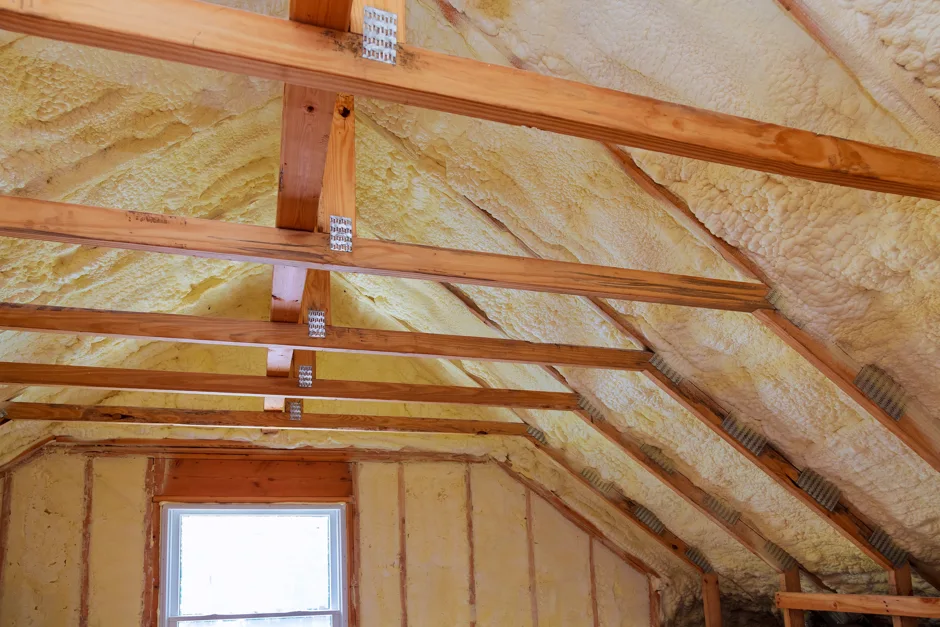
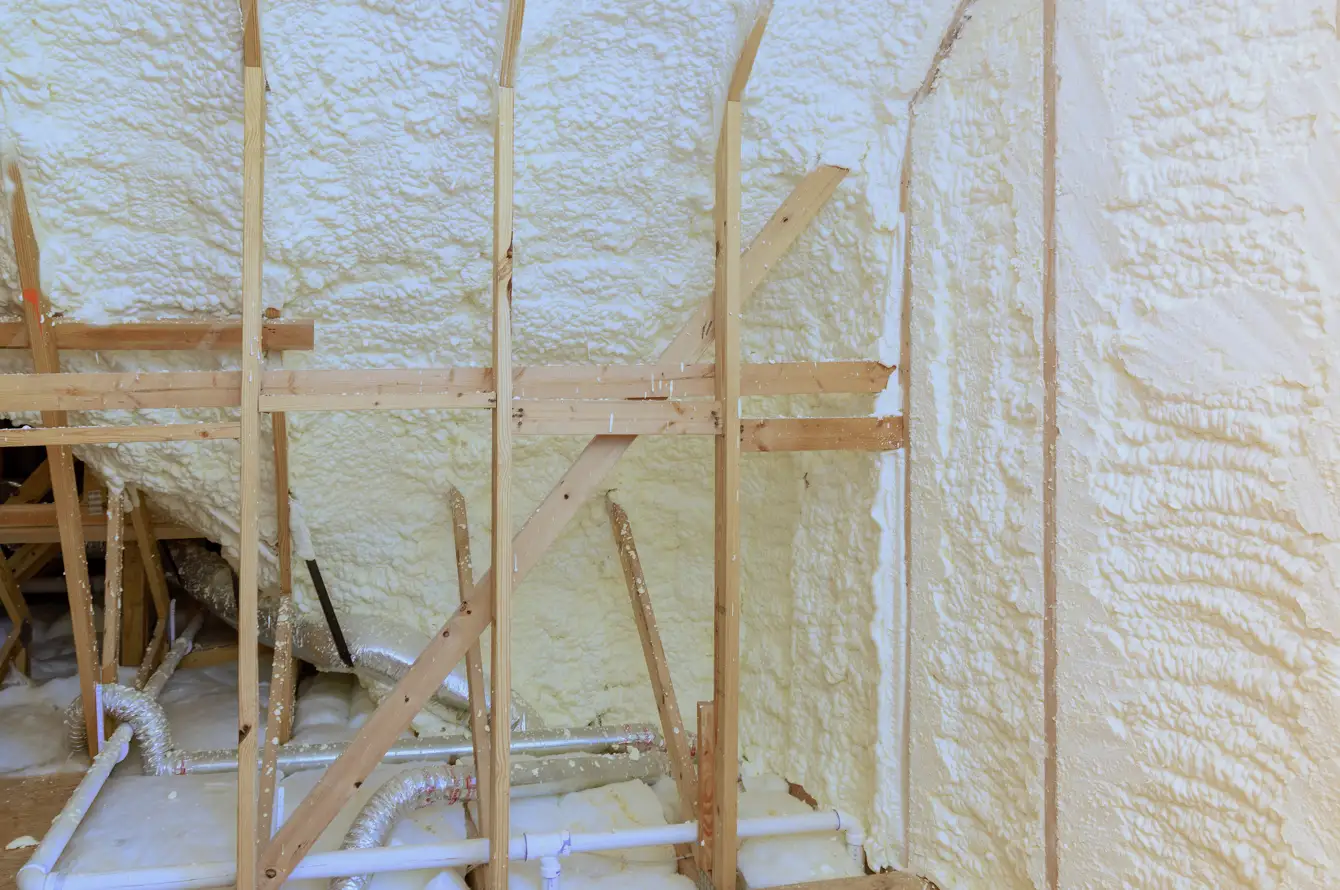
Crawl space insulation in NYC applied through spray polyurethane foam works differently from traditional batt insulation. Spray foam expands on contact with surfaces and fills every gap, crack, and crevice it touches. This creates a continuous air and moisture barrier rather than a layer through which moisture can still pass around.
For crawl spaces, this matters because the problem is not just temperature. It is the movement of moisture-laden air into spaces where it causes damage. Spray foam stops that movement at the source.
Closed-Cell vs Open-Cell Foam for Crawl Spaces
Closed-cell spray foam is the preferred option for crawl space applications because it has a higher density, a higher R-value per inch, and a moisture vapour resistance that open-cell foam does not provide. In a space directly exposed to ground moisture, closed-cell foam creates a rigid protective layer that actively resists water vapour rather than absorbing it.
Basement insulation in adjacent areas of the same building often uses the same closed-cell application for the same reasons, and combining both in the same project reduces the overall moisture exposure across the lower structure of the building.
Structural Benefits Beyond Moisture Control
When spray foam is applied to crawl space walls and rim joists, it adds compressive strength to the surfaces it covers. The polyurethane composite hardens into a layer that reinforces the structural substrate beneath it. This is not a replacement for structural repair when damage has already occurred, but it meaningfully slows further deterioration and adds rigidity to surfaces that were previously exposed.
For commercial buildings in Brooklyn, Queens, and the Bronx where crawl spaces run below the ground-floor retail or office space, this structural layer matters for the long-term performance of the building above.
What Happens When Crawl Space Insulation Is Combined With Other Services?
A crawl space that has already developed moisture problems may need more than insulation alone. Mold remediation, structural assessment of joists, and vapour barrier installation often accompany the insulation work. After those steps are completed, crawl space insulation in NYC seals the space and prevents the cycle from starting again.
For buildings that also have uninsulated attics, the combination of attic insulation at the top and crawl space insulation at the bottom creates a thermal envelope that reduces energy loss from both ends of the building. The result is lower heating and cooling costs alongside the structural protection the insulation provides.
Common Signs Your Crawl Space Needs Attention Now
- Floors above the crawl space feel cold, soft, or springy
- Musty smell inside the building, especially on the ground floor
- Visible moisture or standing water after rain
- Higher-than-normal heating and cooling bills without a clear cause
- Visible mold or mildew near baseboards or floor edges on the ground level
Each of these signs points to a crawl space that is already affecting the building above it. Waiting longer allows the damage to progress further into the structural system.
Foam Masters USA provides commercial foam insulation and crawl space insulation in NYC for residential and commercial properties across all five boroughs. Contact us today, and we will assess your crawl space and recommend the right insulation approach before the damage moves further into your building’s structure.