Energy bills in New York City are not cheap. For building owners and property managers, heating and cooling costs are one of the largest operating expenses every year. What most people do not realise is that a significant portion of that cost leaves the building through the roof. An attic without proper insulation lets conditioned air escape in winter, and heat pours in during summer. Fixing that one area has a measurable impact on the energy performance of the whole building. If you are looking into attic insulation in NYC for a commercial or residential property, this guide covers why it matters and what options are worth considering.
How Much Heat Escapes Through an Uninsulated Attic?
Heat rises. In a building without adequate attic insulation, that heat moves through the ceiling, into the attic space, and then out through the roof structure. In winter, this forces your heating system to run longer to maintain the same indoor temperature. In summer, the attic absorbs heat from the sun all day and radiates it back down into the building at night, pushing your cooling system harder.
Heating and cooling account for about 50 to 70 percent of the energy used in a typical building. Attic insulation directly affects that number because the attic is where the largest uncontrolled heat exchange between the interior and exterior happens.
For commercial buildings in New York, where energy costs are passed through to tenants or absorbed by the property owner, reducing that loss has a direct financial impact on the bottom line.
What R-Value Means and Why It Matters for NYC Buildings?
Every insulation material has an R-value, which measures its resistance to heat flow. The higher the R-value, the better the insulation performs at slowing heat transfer. NYC falls in climate zones 4 and 5, and the US Department of Energy recommends an attic insulation R-value between R-49 and R-60 for this region.
Many older buildings in New York, particularly pre-war residential buildings and commercial properties built before the 1980s, have attic insulation that falls far below this range. Some have no insulation at all. Every point below the recommended R-value represents energy that is leaving the building through the roof rather than staying inside where it belongs.
Also Read: Signs Your Existing Home Needs Spray Foam Insulation in NYC
Insulation Types That Work Best for NYC Attics
Different attic configurations call for different insulation approaches. The three most common types used in New York properties are:
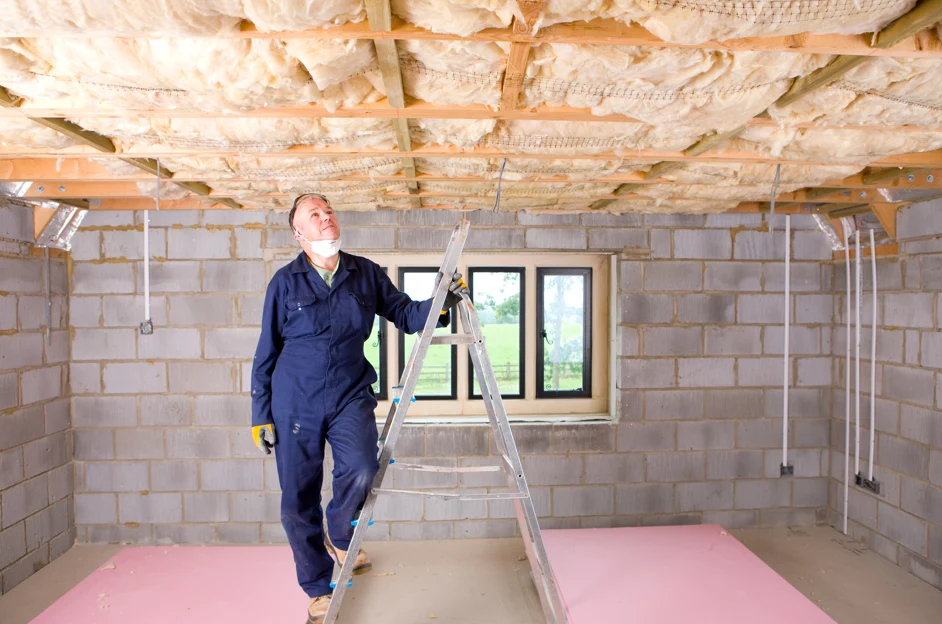
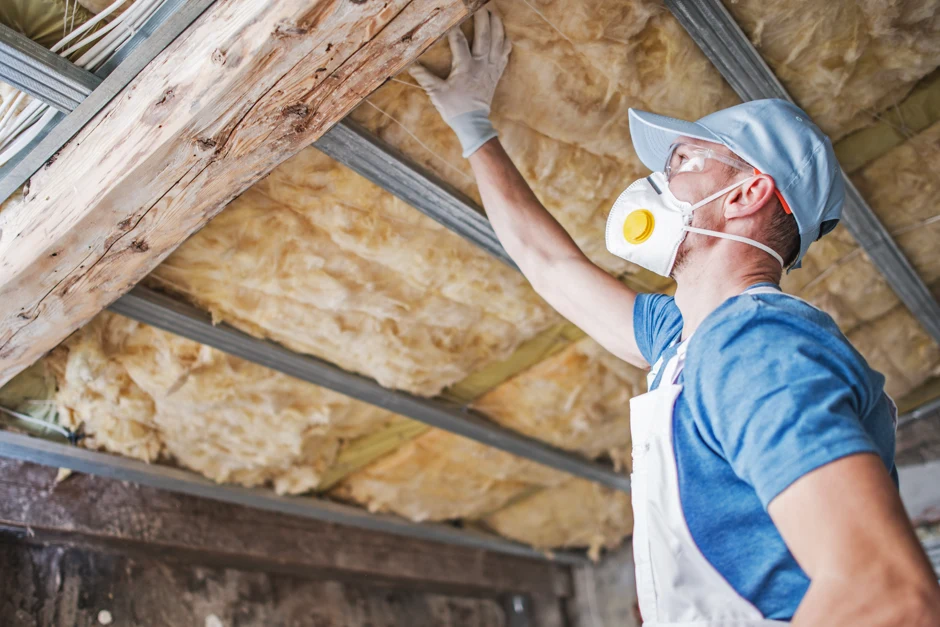
Blown-in insulation is loose-fill material, either fibreglass or cellulose, that gets blown into the attic cavity with equipment. It fills around joists, pipes, and irregular shapes without leaving gaps. This is one of the more practical options for attics in older NYC buildings where access is limited, and the space is not uniform.
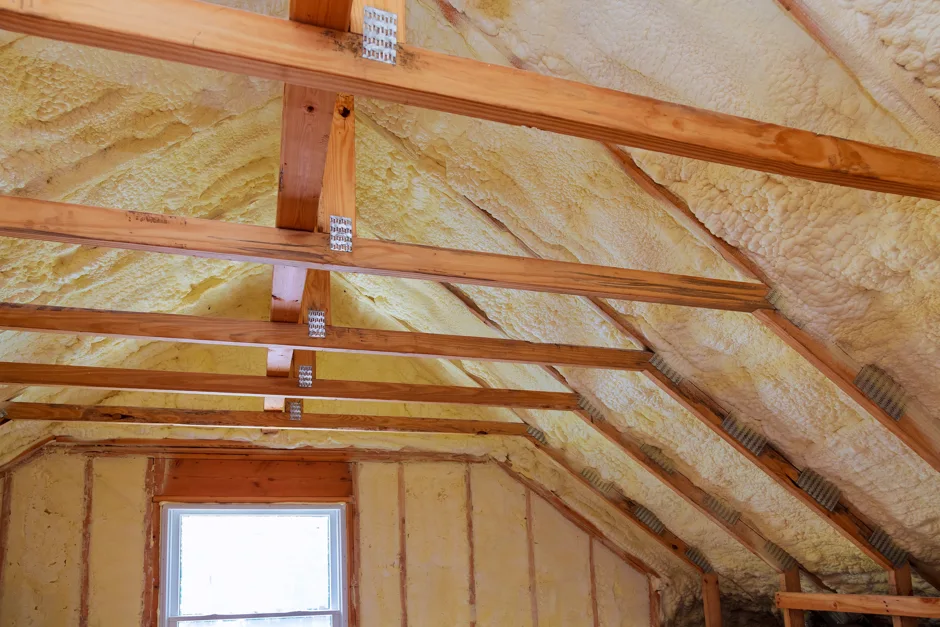
Spray foam insulation creates an air seal alongside thermal resistance. It is applied as a liquid that expands and hardens, sealing gaps in the attic deck and framing. Spray foam insulation services address both heat transfer and air infiltration in a single application, which makes it more comprehensive than blown-in alone for buildings with significant air leakage.
Rigid foam board is used in attics with flat or low-pitch roof lines, common in commercial buildings. Boards are cut to fit between rafters or applied directly to the roof deck. This works well where blown-in material would not stay in place due to the roof angle.
Air Sealing: The Step Most Property Owners Skip
Insulation slows heat transfer, but air leaks carry heat out of a building faster than conduction through a wall or ceiling. Before adding or upgrading attic insulation, sealing the air gaps around pipes, light fixtures, attic hatches, and framing penetrations is necessary.
A building with R-50 insulation and significant air leaks performs worse than a building with R-30 insulation and a proper air seal. For commercial properties in NYC, this step is often where the largest energy savings come from because older buildings have accumulated decades of penetrations through the attic floor that nobody sealed during construction or renovation.
NYC Building Code and Insulation Requirements
New York City adopted updated energy code requirements under Local Law 97, which sets carbon emission limits for large buildings. Building owners who do not meet the performance thresholds face fines starting in 2024. Attic insulation upgrades contribute to overall building performance and help property owners reduce the energy consumption that determines their compliance status.
For commercial building owners in NYC, insulation is not just an operating cost decision. It is increasingly a regulatory one as well.
What NYC Property Owners Notice After Attic Insulation Is Upgraded?
After a proper attic insulation upgrade, property owners and tenants report:
- More consistent indoor temperatures across floors, with upper floors no longer running significantly hotter or colder than lower ones
- Reduced heating and cooling runtime on HVAC systems
- Lower monthly energy bills, typically within the first billing cycle after installation
- Less noise transmission from outside through the roof in buildings near transit or heavy traffic areas
For residential buildings with top-floor units that have always been harder to heat or cool than lower floors, the improvement after residential insulation installation is often noticeable within the first season.
Upgrade Your Attic Insulation in NYC With Foam Masters USA
Foam Masters USA handles attic insulation in NYC for commercial buildings, multi-family properties, and residential homes across New York. If your energy bills are higher than they should be or your upper floors are not holding temperature the way they should, contact us and we will assess your attic and recommend the right insulation system for your building type and budget.