Walking into a basement that smells musty even after the dehumidifier ran all weekend? Or staring at water stains creeping up the foundation wall after every heavy rain? Standard fiberglass insulation does almost nothing to stop these problems. The fix that actually works is waterproof insulation, a category of materials that block both heat loss and water at the same time. The technology has been around for decades, but most homeowners and small business owners still install the cheap fiberglass that allows moisture to wreck their buildings from the inside out.
The U.S. Environmental Protection Agency reports that around 47 percent of buildings in the United States have moisture-related issues, with most coming from poor insulation choices in basements, crawl spaces, and foundations. Mold, rot, and structural damage from trapped water add up to billions in repairs every year, all of which is preventable with the right insulation choice from day one.
What Is Waterproof Insulation?
Waterproof insulation is a category of building materials that combines thermal resistance with a vapor and water barrier in a single product. Unlike fiberglass or cellulose, which absorb moisture and lose insulating value when wet, waterproof insulation stays effective even in damp, humid, or flood-prone environments.
The most common waterproof insulation products on the market include:
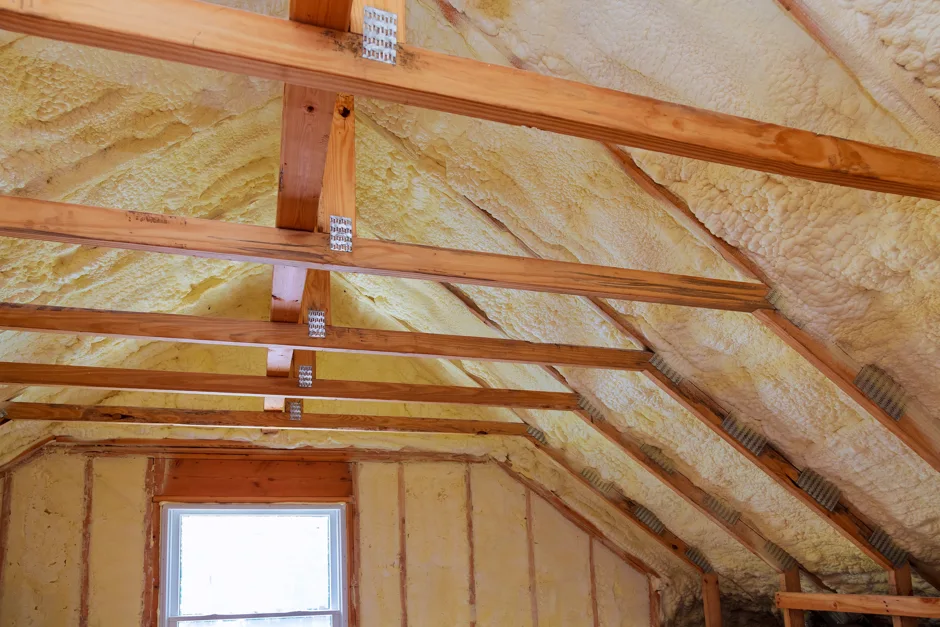
- Closed-cell spray polyurethane foam: Sprayed wet, expands and cures into a rigid waterproof barrier
- Extruded polystyrene boards (XPS): Rigid foam panels used on foundation walls
- Expanded polystyrene boards (EPS): Often used under slabs with a vapor barrier
- Foam glass: Cellular glass insulation used in commercial roofing
- Polyisocyanurate boards (Polyiso): Foil-faced rigid foam for roof and wall insulation
- Mineral wool with vapor barrier: For damp commercial applications
Closed-cell spray foam is the most popular choice for residential and small commercial projects because it bonds to any surface and seals around pipes, wires, and irregular shapes that rigid boards cannot reach.
How Waterproof Insulation Works?
The science behind it comes down to cell structure. Standard fiberglass insulation is full of open air pockets that let water vapor pass through easily. Waterproof insulation uses tightly packed closed cells that act as both a thermal barrier and a water barrier at the same time.
When closed-cell spray foam is applied to a basement wall, the foam expands into every crack and gap, then cures into a dense skin that water cannot push through. Closed-cell foam at 2 pounds per cubic foot density has been tested by FEMA as flood-resistant and approved for use in flood zones across the country.
The 4 main mechanisms at work:
- Closed cell barrier: Tight sealed cells block water and water vapor from passing through
- Self-adhesion: The material bonds to concrete, wood, metal, and brick without gaps
- Hydrostatic resistance: Resists water pressure from groundwater pushing against foundation walls
- Vapor barrier function: Stops condensation that causes mold and rot inside walls
Also Read: Signs Your Existing Home Needs Spray Foam Insulation in NYC
Where Waterproof Insulation Is Used in Buildings?
Different parts of a building need different levels of moisture protection. Waterproof insulation is most often applied in these areas:
Basements and Below-Grade Walls
Foundation walls are constantly exposed to groundwater pressure and soil moisture. Closed-cell spray foam applied to the inside of basement walls stops water before it reaches the living space.
Crawl Spaces
Many homes in the Northeast have damp crawl spaces that breed mold and pests. Waterproof insulation along the perimeter walls creates a sealed barrier that stops humidity migration into the home above. A trusted spray foam insulation in Brooklyn crew often handles crawl space conversions in older homes built before modern moisture standards were in place.
Flat Commercial Roofs
Flat roofs collect water from rain and snowmelt. Spray-applied waterproof insulation creates a seamless layer that doubles as the roof’s primary moisture barrier.
Cold Storage and Refrigerated Spaces
Commercial coolers, freezers, and food service facilities depend on closed-cell foam to maintain temperature without letting condensation form inside the walls.
Bathrooms and Wet Rooms
Where steam and water exposure are constant, closed-cell insulation around the walls and ceiling prevents long-term water damage to framing and drywall.
Benefits Beyond Moisture Protection
Waterproof insulation offers more than just water resistance. Property owners typically see these additional benefits:
- Higher R-value per inch, around 6 to 7, vs 3 to 4 for fiberglass
- Adds structural strength to walls when applied to studs and sheathing
- Prevents mold and mildew that cause respiratory health issues
- Reduces energy bills by 20 to 50 percent in many buildings
- Lifespan of 30 plus years with no degradation
- Eligible for federal energy efficiency tax credits in many states
Many commercial property owners contracting spray foam insulation in NYC projects choose closed-cell specifically because of the combined moisture and energy benefits in one application.
What Does Waterproof Insulation Cost?
Pricing depends on the product, application area, and building size:
- Closed-cell spray foam: 1.50 to 3.50 dollars per board foot installed
- XPS rigid foam board: 1 to 2 dollars per square foot at 1 inch thickness
- Polyiso board: 0.70 to 1.50 dollars per square foot
- Foam glass for commercial use: 2 to 5 dollars per square foot
For an average 1,500 square foot basement, expect a total project cost between 5,000 and 12,000 dollars for closed-cell spray foam. The upfront cost is higher than fiberglass, but the long-term savings on energy bills, water damage repairs, and mold remediation more than make up for it within 5 to 7 years.
Disclaimer: The prices listed above are for informational purposes only and do not reflect the rates quoted by our company.
Get the Right Insulation Before the Damage Starts
Every winter, when your building runs on standard fiberglass in damp areas, you are inviting mold growth, rot, and rising energy costs. The fix is straightforward, but it needs to happen before water damage takes hold inside the structure. Waterproof insulation in the right places saves thousands in repairs and protects the building for decades to come.
About Foam Masters USA
Foam Masters USA is a licensed and insured spray foam insulation contractor based at 1022 Avenue P in Brooklyn, New York, serving residential and commercial clients across all five boroughs and surrounding areas. Our certified team specializes in closed-cell and open-cell spray foam, waterproof insulation, attic and crawl space work, and commercial roofing insulation with over a decade of field experience. Contact us for a free quote on your next insulation project today.